Human life is shaped not merely by individual effort but also by the legacy of generations that came before us. Our values, traditions, language, and identity are rooted in the contributions, sacrifices, and experiences of parents, grandparents, and countless ancestors. Indian philosophy recognises this enduring connection through the concept of Pitru Rin, or the debt owed to one’s forebears.
Sanatan Dharma speaks of three fundamental obligations: Deva Rin (debt to the divine), Rishi Rin (debt to sages), and Pitru Rin (debt to ancestors). While the first two emphasise gratitude towards nature and knowledge, Pitru Rin reminds us of our responsibility towards those through whom we inherit life, culture, and values.
The Taittiriya Upanishad underscores this principle through the timeless injunction: “Matru Devo Bhava, Pitru Devo Bhava” – regard your mother and father as divine. This reverence extends beyond ritual respect and finds expression in care, gratitude, service, and responsibility.
Pitru Rin is not confined to ancestral rites such as Shraddha and Tarpan. Its true essence lies in serving parents during their lifetime, preserving family values, and carrying forward the virtues that strengthen society. Honouring ancestors means more than remembering their names; it means embodying their finest qualities in our conduct.
The concept also offers an important lesson for future generations. Wealth and property may constitute inheritance, but honesty, compassion, education, discipline, and social responsibility remain far more enduring legacies. The values we uphold today become the heritage we pass on tomorrow.
Viewed in this light, Pitru Rin is not a burden but a philosophy of gratitude. It encourages individuals to remain connected to their roots, fulfil their responsibilities, and contribute meaningfully to family and society. Through this continuity, the wisdom of the past guides the present, while the actions of the present inspire generations yet to come.
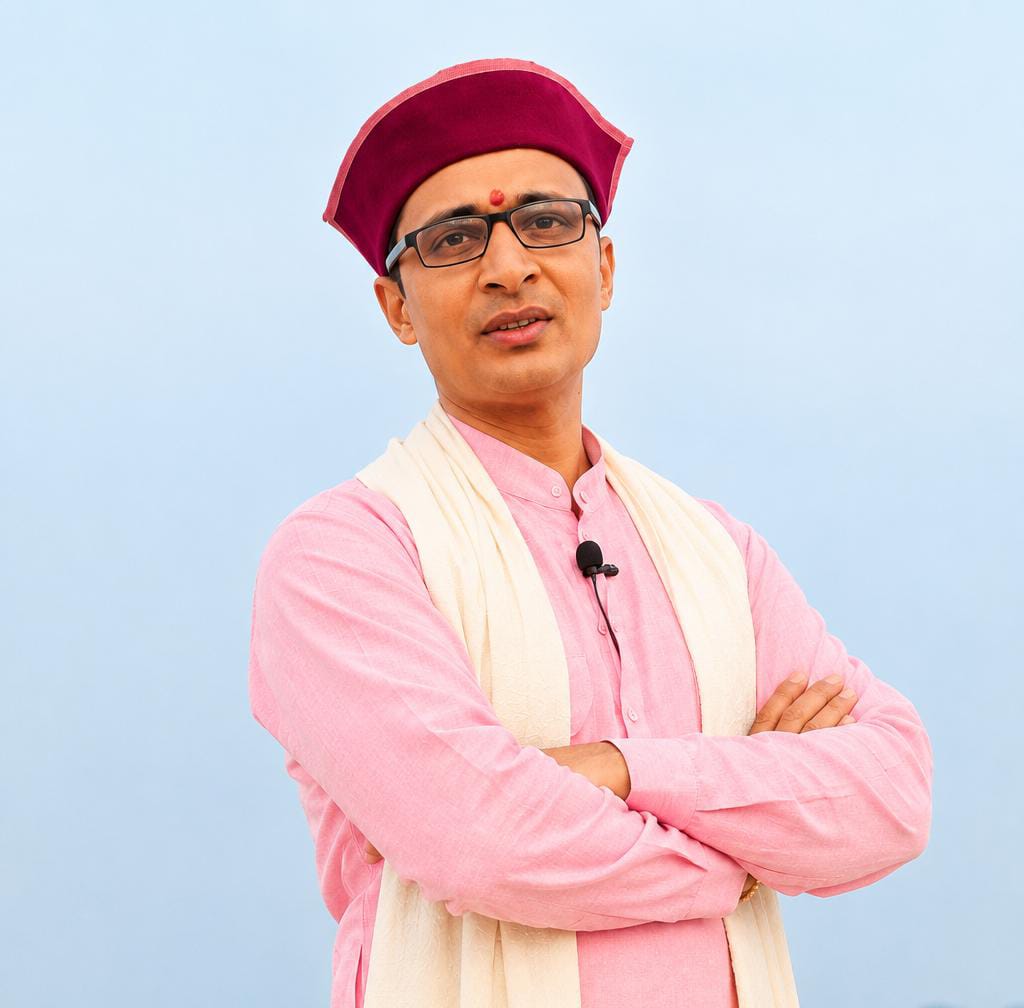
Arun Kumar Mishra, an acclaimed astrologer and author of Jyotish: Jeevan Path Ka Vigyan, brings the ancient science of Jyotish to life with remarkable clarity and depth. Drawing upon decades of learning and reflection, he illuminates the intricate connection between karma, destiny, and personal evolution. His writings encourage readers to look beyond forecasts and embrace astrology as a guiding light for self-awareness, wisdom, and a deeper understanding of life.