When entrepreneurship is discussed, the spotlight often falls on corporate giants, billion-dollar valuations and ambitious start-ups in metropolitan cities. Yet, the foundations of a developed India are also being laid in smaller towns, where individuals are taking calculated risks, identifying local needs and building businesses that create opportunities for others. In Garhwa, Jharkhand, Chandan Pandey’s journey from a secure professional career to entrepreneurship offers a compelling illustration of this spirit. Through Kanha Enterprises, he is seeking to make electric mobility more accessible while demonstrating how a locally rooted business can contribute to employment generation and sustainable development.
Established on October 20, 2025, Kanha Enterprises entered the electric vehicle market at a time when awareness of cleaner transportation was growing, but dependable sales and after-sales support remained important concerns for consumers in smaller towns. Garhwa presented an emerging opportunity: electric scooters offered an alternative to conventional petrol-powered two-wheelers, yet prospective buyers needed greater confidence in battery performance, maintenance, spare-parts availability and long-term operating costs.
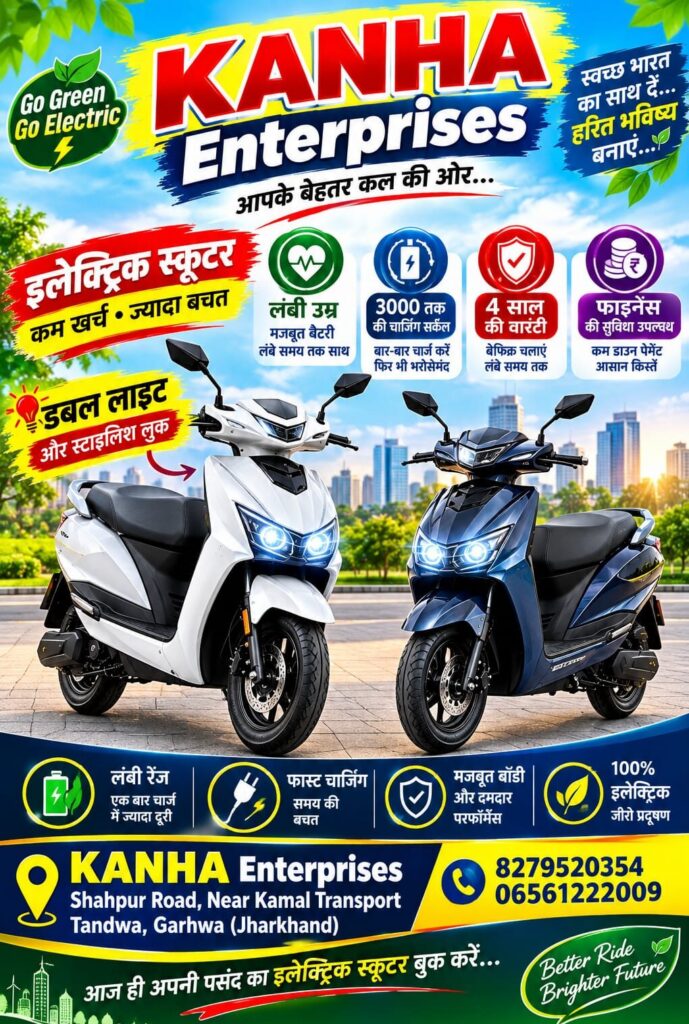
For Pandey, this gap was not merely a business opportunity; it was a challenge worth addressing. Having experienced the relative security of professional employment, he chose to venture into self-employment, placing his faith in a business model designed around changing consumer needs. The decision represented more than a career transition. It reflected the belief that meaningful economic opportunities can be created by recognising problems in one’s immediate surroundings and developing practical solutions. So far, five people are employed to this enterprise directly, however, there are many involved into indirect opportunities at a place which has never been appreciated.
Turning an Emerging Market into an Opportunity
India’s electric vehicle transition has created a growing market for businesses that can connect technological innovation with everyday consumer requirements. According to industry data reported in the Annual India EV Report Card FY2025, cumulative electric vehicle sales in India had crossed 61.66 lakh units, while annual sales exceeded 20 lakh units in the financial year 2024–25. Electric two-wheelers accounted for approximately 11.49 lakh units during that financial year, registering growth of around 21 per cent over the preceding year and contributing nearly 58.5 per cent of total EV sales.
These figures reflect a significant shift in India’s mobility landscape. Electric two-wheelers are increasingly being considered by commuters, students, small business owners and households looking for alternatives to petrol-powered vehicles. Lower running costs, the convenience of home charging and growing environmental awareness have contributed to their appeal, although actual savings depend on purchase price, electricity tariffs, usage patterns and battery life.
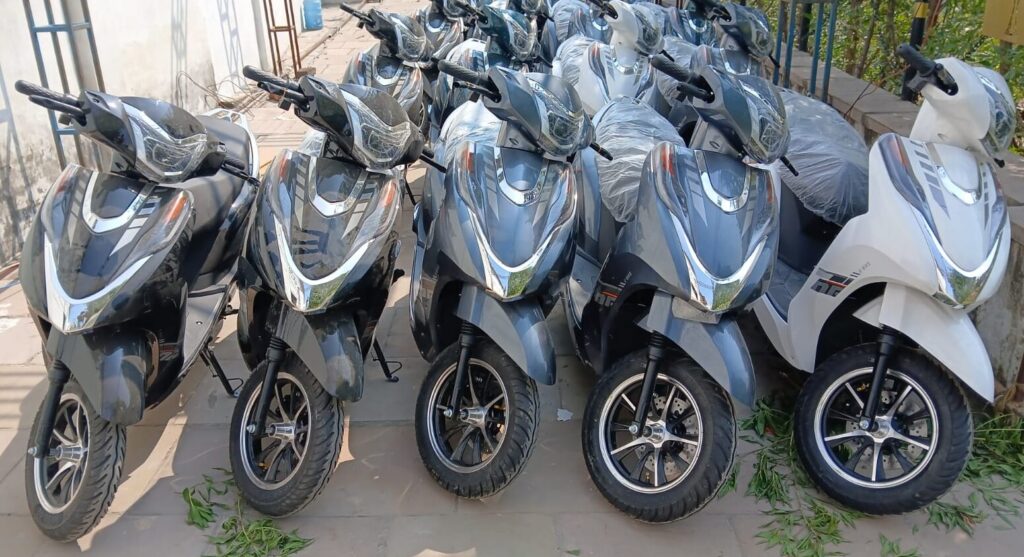
The opportunity, however, extends beyond selling vehicles. For customers to embrace a relatively new technology, they must have confidence that assistance will be available when needed. Battery-related concerns, technical difficulties and uncertainty over repairs can discourage buyers even when the product appears economically attractive.
Recognising this, Kanha Enterprises has sought to place customer education and after-sales assistance at the centre of its operations. Explaining charging requirements, battery management, maintenance and long-term ownership costs can help consumers make informed decisions rather than purchasing a vehicle solely on the basis of its initial price. Dependable service can also help establish the credibility that any new enterprise needs to survive in a competitive market.
In this region, where two-wheelers are an important means of everyday transportation, such customer-oriented businesses can help translate a national technological shift into a practical local reality. Their role is especially relevant in markets where consumers may be interested in innovation but remain cautious about the support systems surrounding it.
Beyond Business: Creating Livelihoods Close to Home
Pandey’s vision also extends beyond electric mobility. His involvement in establishing and supporting a gaushala reflects a wider interest in community welfare and livelihood creation. According to information provided about the enterprise, the gaushala and its associated activities generate direct and indirect livelihood opportunities for approximately dozen of people.
Activities such as animal care, fodder management, maintenance and related services create avenues for local work. While modest in scale, such opportunities can make a meaningful difference to households that depend on regular earnings. They also demonstrate how economic activity can emerge from different sectors, extending beyond the conventional boundaries of retail, manufacturing and services.
This is an important but often overlooked dimension of entrepreneurship. The success of a business is not measured exclusively by its revenue or market position. It can also be assessed by the opportunities it creates for employees, the services it provides to customers and the economic activity it generates within its surrounding community.
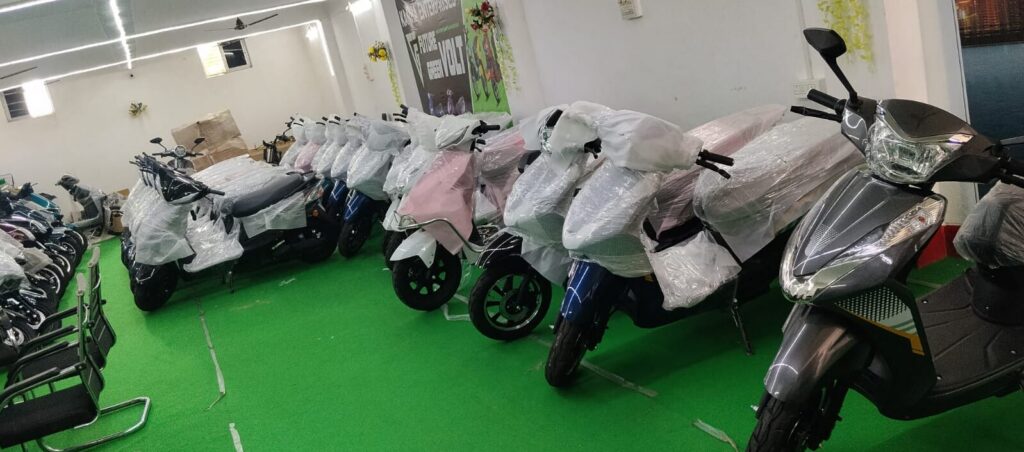
In a place – where access to stable employment remains a challenge, locally established enterprises can help diversify livelihood options. They create work directly, support ancillary services and may encourage other individuals to explore self-employment. When businesses grow responsibly, their benefits can extend to suppliers, technicians, transport operators and other local service providers.
For aspiring entrepreneurs, the lesson is clear: creating employment is itself a form of nation-building. Every viable enterprise that provides dignified work and strengthens local economic activity contributes, in its own measure, to a more resilient society.
A Local Contribution to India’s Green Future
Environmental responsibility forms another important part of the Kanha Enterprises story. Conventional petrol-powered vehicles depend on fossil fuels and produce tailpipe emissions, contributing to air pollution. Battery-powered electric scooters produce no tailpipe emissions during operation and can help reduce petrol consumption. Their overall environmental benefits also depend on electricity generation, battery manufacturing and responsible battery recycling.
The transition towards electric mobility therefore requires more than consumer interest. It needs accessible dealerships, trained technicians, charging facilities, dependable servicing and greater public awareness. Local businesses can play an important role in developing this ecosystem, particularly in smaller cities and semi-urban regions that may not receive the same level of commercial attention as metropolitan markets.
The expansion of electric mobility could also open new employment avenues for young people. Battery diagnostics, vehicle maintenance, electrical repairs, charging infrastructure and spare-parts distribution are among the areas in which technical skills may become increasingly valuable as adoption grows.
For Garhwa, this presents an opportunity to connect environmental progress with local economic development. If businesses invest in skills, service quality and responsible expansion, the green transition can create opportunities not only for vehicle owners but also for those seeking technical training and employment.
From Atmanirbhar Bharat to Viksit Bharat@2047
India’s ambition to become a developed nation by 2047 requires sustained progress across manufacturing, infrastructure, education, technology, employment and environmental sustainability. Large industries and major investments will remain essential, but the contribution of small and medium enterprises will be equally important in distributing economic opportunity across the country.
The spirit of Atmanirbhar Bharat encourages citizens to build capabilities, develop enterprises and participate in the country’s economic progress. Pandey’s decision to establish Kanha Enterprises in his home district reflects this aspiration at the grassroots level. Instead of viewing a smaller town as a limitation, his venture seeks to respond to the needs of a developing local market.
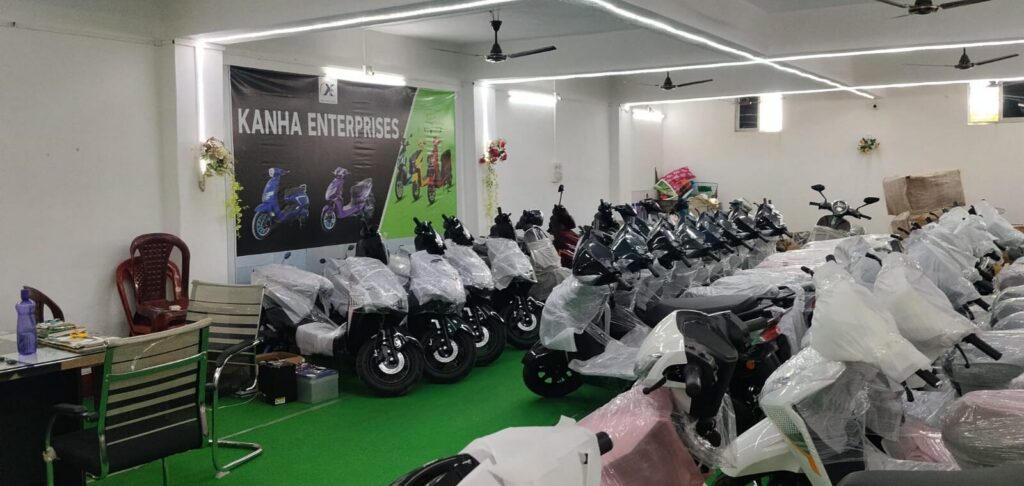
Yet entrepreneurship also demands discipline and perseverance. New businesses must navigate financial pressures, competition, customer expectations and changing market conditions. Their long-term sustainability depends on responsible financial management, transparent dealings, consistent service and the ability to adapt. The initial vision must eventually be supported by measurable performance, customer satisfaction and viable growth.
For young people considering entrepreneurship, this is perhaps the most important takeaway. Taking risks does not mean ignoring challenges; it means preparing for them and remaining committed to solving a genuine problem. Nor does self-employment have to remain an individual pursuit. A well-managed enterprise can gradually develop into an organisation that provides opportunities for others.
Future Prospects And Milestones.
Kanha Enterprises is a relatively young venture, and its long-term contribution will depend on its ability to sustain customer confidence, strengthen its service network and grow responsibly. Nevertheless, its emergence illustrates how an individual decision can open the door to a wider set of possibilities—cleaner mobility, local employment, technical skill development and community-oriented business activity.
Chandan’s journey is ultimately about a larger idea: the transition from seeking a livelihood to creating livelihoods. It highlights the importance of entrepreneurs who are willing to identify emerging opportunities, serve underserved markets and align commercial ambitions with the needs of society.
India’s journey towards 2047 will not be shaped by government initiatives and corporate investments alone. It will also depend on individuals who turn ideas into enterprises, enterprises into employment and employment into stronger communities. From the smallest district market to the country’s largest industrial centres, every sustainable business has the potential to contribute to that national mission.
In Garhwa, Kanha Enterprises is attempting to become part of this transformation. Its story serves as an encouraging reminder that entrepreneurship can begin with a personal decision but acquire a much larger purpose: empowering individuals, creating opportunities and helping build a more self-reliant, inclusive and sustainable India.
