Among the twelve months of the Hindu calendar, Kartik occupies a uniquely exalted place in the spiritual consciousness of Sanatan Dharma. Revered as a month of divine grace, self-discipline and spiritual awakening, it represents a harmonious blend of devotion, charity, austerity and moral refinement. Marked by sacred observances such as Kartik Snan, Deepdaan, Tulsi Pujan, worship of Lord Vishnu and Lord Shiva, meditation, charity and self-restraint, the month inspires devotees to elevate both their spiritual and worldly lives.
Far more than a period of ritual observance, Kartik serves as a timeless reminder that true spirituality is reflected not only in prayer and worship but also in compassion, humility, service and righteous conduct. It is a season that encourages individuals to illuminate their inner being while contributing positively to society.
The glory of Kartik finds eloquent expression in the sacred scriptures, particularly the Padma Purana and Skanda Purana, which extol the extraordinary merit of worship, fasting, charity and devotional practices performed during this auspicious period. A celebrated Sanskrit verse proclaims:
“Na Kartika Samo Maso Na Kritena Samam Yugam, Na Veda Sadrisham Shastram Na Tirtham Gangaya Samam.”
The verse affirms that no month rivals Kartik in sanctity, just as no age equals Satya Yuga, no scripture surpasses the Vedas and no pilgrimage compares with the sacred Ganga. Such scriptural reverence reflects the profound spiritual significance that Kartik has held in Indian civilization for centuries.
The month is particularly dedicated to the worship of Lord Vishnu and Lord Krishna in His revered Damodar form. Devotees across the country engage in daily prayers, devotional singing, recitation of sacred scriptures and offerings of Tulsi leaves, seeking divine blessings and inner purification. Religious scholars emphasize that the essence of this devotion lies not merely in ceremonial worship but in cultivating virtues such as truthfulness, kindness, humility and selfless service.
One of the most cherished traditions associated with Kartik is Kartik Snan, the practice of taking a pre-dawn bath followed by prayer, meditation and remembrance of the Divine. While holy rivers and pilgrimage sites witness large gatherings of devotees, the deeper significance of the observance transcends geography. Kartik Snan symbolizes the purification of both body and mind, inspiring individuals to cleanse themselves of negativity, ego, jealousy and harmful tendencies. Its enduring message is that spiritual growth begins with inner transformation.
Equally significant is the centuries-old tradition of Deepdaan, the offering of lamps. During Kartik, homes, temples, riverbanks and sacred spaces glow with countless flickering lights, creating an atmosphere of devotion and serenity. In Indian thought, the lamp symbolizes wisdom, hope and the victory of light over darkness. The act of lighting a lamp carries a profound spiritual message: just as a single flame dispels darkness, a single act of goodness can illuminate countless lives. In contemporary society, this spirit can be expressed through charitable deeds, educational support, care for the vulnerable and efforts that bring hope to those facing adversity.
The worship of Tulsi, revered as a symbol of purity, devotion and auspiciousness, also assumes special importance during the holy month. For generations, Tulsi has occupied a sacred place in Indian households and spiritual traditions. Devotees offer prayers, light lamps near the sacred plant and observe rituals that reflect their devotion to Lord Vishnu. Beyond its religious significance, Tulsi worship also conveys a broader message of environmental consciousness, encouraging respect for nature, ecological balance and responsible stewardship of natural resources.
Another defining aspect of Kartik is its emphasis on charity, service and self-restraint. Acts of generosity, including food distribution, assistance to the underprivileged and support for social welfare, are regarded as noble expressions of faith. The spiritual teachings associated with the month underscore that genuine charity is not measured by the value of the offering but by the sincerity, compassion and respect with which it is given. Likewise, fasting and disciplined living are intended not merely as physical practices but as means of strengthening self-control, moderation and moral character.
In an era shaped by rapid technological advancement, intense competition and evolving lifestyles, the timeless values embodied by Kartik remain profoundly relevant. The month inspires individuals, particularly the younger generation, to cultivate discipline, mindfulness and social responsibility amid the distractions of modern life. Its teachings encourage a balance between material aspirations and spiritual well-being, reminding society that success acquires true meaning only when accompanied by integrity, humility and concern for others.
At its heart, Kartik is a month of self-discovery and renewal. It teaches that life’s greatest achievements are not measured solely by wealth or status but by the depth of one’s character, the purity of one’s actions and the extent of one’s contribution to humanity. Through devotion, Tulsi worship, Deepdaan, charity and self-discipline, devotees are encouraged to illuminate not only their homes but also their hearts and minds.
As millions observe this sacred period, Kartik continues to serve as a beacon of spiritual wisdom and cultural continuity, preserving the timeless ideals of Sanatan civilization. Its enduring message is clear: true worship reaches its highest expression when faith is translated into compassion, service, truthfulness and moral excellence. In nurturing these values, Kartik strengthens both the individual and society, fostering harmony, enlightenment and a deeper connection with the divine.
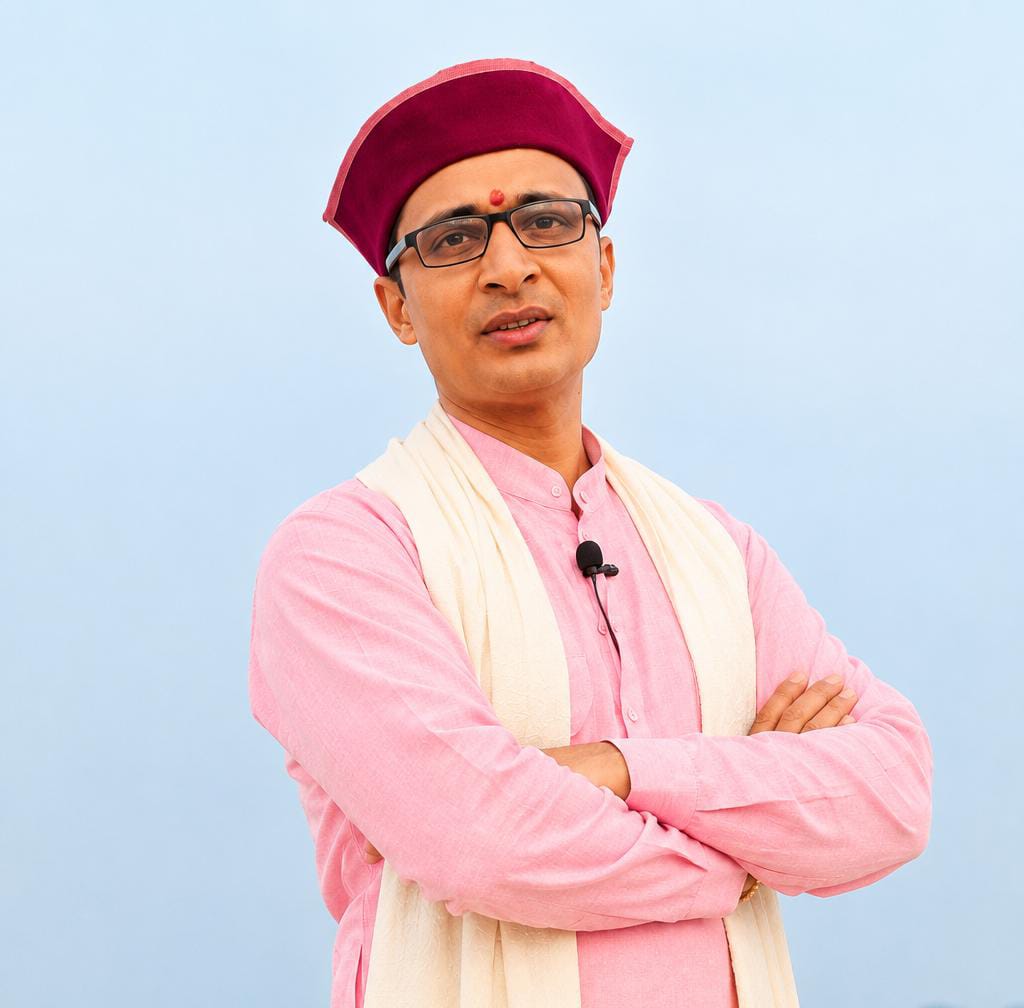
Arun Kumar Mishra, an acclaimed astrologer and author of Jyotish: Jeevan Path Ka Vigyan, brings the ancient science of Jyotish to life with remarkable clarity and depth. Drawing upon decades of learning and reflection, he illuminates the intricate connection between karma, destiny, and personal evolution. His writings encourage readers to look beyond forecasts and embrace astrology as a guiding light for self-awareness, wisdom, and a deeper understanding of life.