As the region enters a new phase of its municipal electoral cycle, attention has shifted toward a figure who has gradually become prominent in local socio‑political conversations—Deepak Sharma, the All Jharkhand Students Union (AJSU) candidate in the contest for the Presidentship of the Garhwa Nagar Parishad. Through continued involvement in civic matters and sustained engagement at the grassroots level, Sharma has established a noticeable presence in the area’s public landscape, drawing interest and examination from residents, community observers, and local political analysts.
Over the past few years, Deepak Sharma has become a recognizable figure across the Garhwa municipal limits. His involvement in various community-oriented initiatives—ranging from public grievance interactions to discussions around municipal challenges—has contributed to his emerging profile. He has often been seen engaging directly with residents, listening to concerns about infrastructure, sanitation, water supply, street development, and public welfare services.
As Garhwa continues to expand and urbanise, several core civic issues are shaping local discussions. These include improving road and drainage networks, strengthening waste management systems, ensuring reliable drinking water in densely populated areas, enhancing street lighting and public safety, upgrading digital and administrative access to municipal services, and supporting local markets and small businesses in a more competitive urban environment.
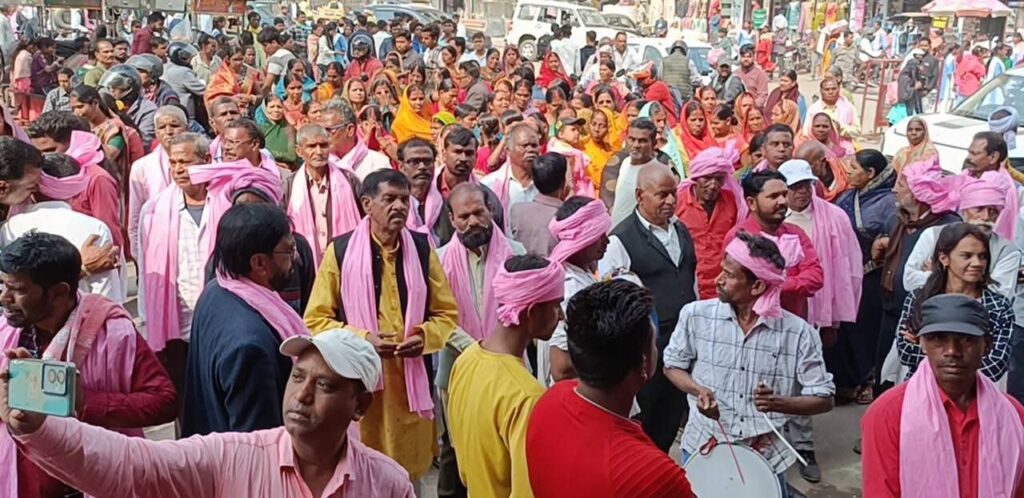
While Sharma’s political journey is still considered young compared to long-standing figures in the region, his rising presence within AJSU circles indicates a growing influence and a strengthened organisational backing. The party’s efforts to expand its footprint in urban constituencies such as Garhwa further amplify the significance of his candidature.
The All Jharkhand Students Union, traditionally known for its youth-first political vision and assertive stance on local governance issues, has been attempting to move beyond its student-wing identity and emerge as a key stakeholder in municipal and district-level politics. Garhwa, being an important and developing district headquarters, offers the party a strategic opportunity to demonstrate administrative capability at the grassroots level.
Sharma’s candidature appears to align with the party’s attempt to project youthful and locally rooted leaders who can represent urban civic aspirations. His nomination also reflects AJSU’s intent to bring forward candidates who maintain visibility on the ground and participate directly in public dialogues.
A notable aspect of Sharma’s public image is his accessibility. Residents from several wards describe him as someone who has maintained a direct and person-to-person connect, often attending local meetings, neighbourhood events, and citizen gatherings without hesitation. His supporters argue that he embodies a “responsive leadership style,” grounded in listening to public concerns before offering policy solutions.
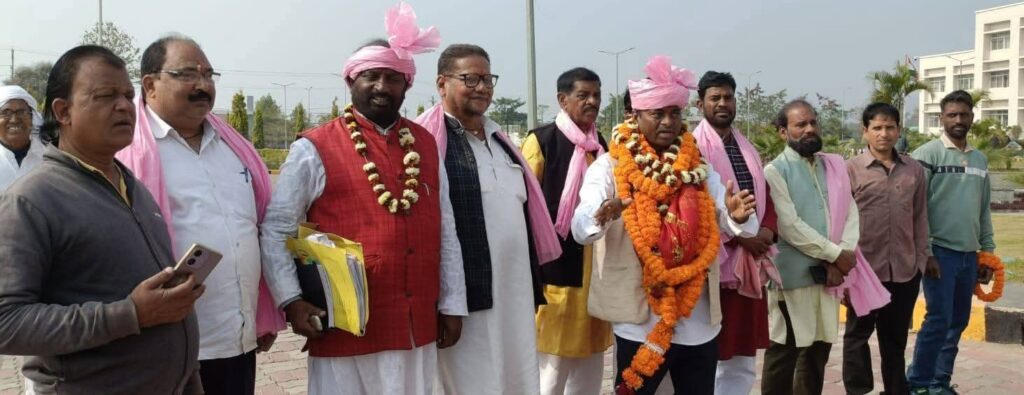
While these perceptions vary across demographic groups, his engagement with youth clusters, small business owners, and community organisations has contributed to a constituency that views him as a representative of emerging urban priorities. These include modernised municipal services, improved civic amenities, streamlined administration, and transparent communication from elected representatives.
Despite his growing popularity in certain segments, the path ahead is complex and competitive. The Garhwa Nagar Parishad election has historically seen multifaceted political dynamics, with experienced candidates from various parties bringing strong organisational strength and long-standing voter networks.
Sharma, therefore, faces the dual challenge of expanding his visibility beyond his active supporter base and proving his administrative readiness in comparison to more seasoned contenders. Municipal leadership, especially at the level of Nagar Parishad presidentship, demands not only popularity but also demonstrated capability to handle administrative coordination, urban planning issues, inter-departmental communication, and crisis management.
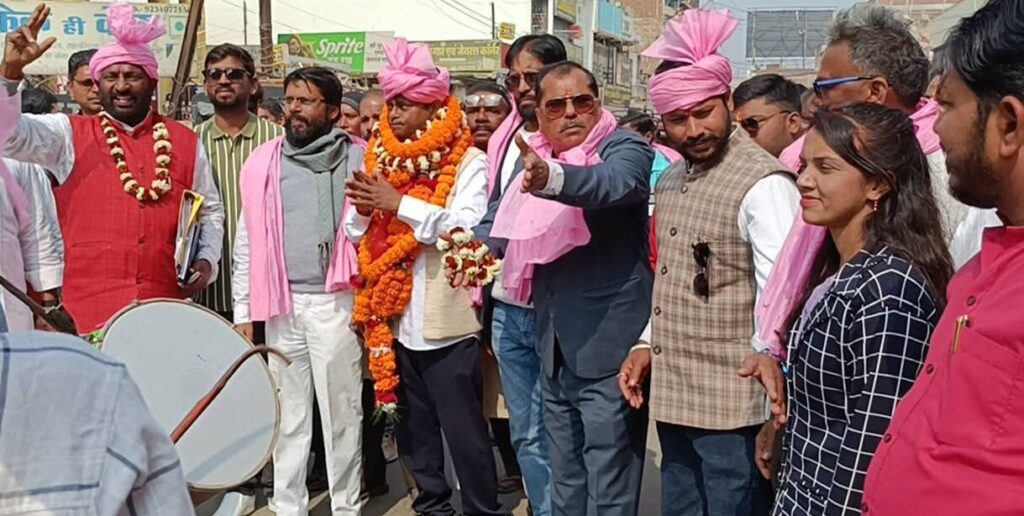
Additionally, the diverse nature of Garhwa’s wards—each with its own set of priorities—means that any aspirant must present a balanced and inclusive outlook that addresses both traditional community needs and evolving urban expectations. How Deepak Sharma addresses these areas in his public engagements and election communications is likely to influence how voters perceive his preparedness for the role.
As the election date draws nearer, Deepak Sharma’s campaign activities and public interactions have attracted increasing attention. Whether through community visits or participation in discussions about urban challenges, he has positioned himself as a candidate who intends to represent a new generation of municipal leadership
While the final mandate will ultimately rest in the hands of the Garhwa electorate, Sharma’s emergence marks a notable moment in the district’s rapidly evolving civic and political landscape. His journey in this contest is being closely observed not only by citizens but also by political analysts seeking to understand how new, youth-driven leadership models are shaping local governance in Jharkhand.