Palamau: Every child carries a dream, but not every child grows up with the same opportunities to fulfil it. For some, education opens a world of possibilities; for others, financial hardship, limited guidance and social barriers can make even the first steps towards learning difficult. It is against this larger social reality that the educational journey of Mohammad Shafiq Ansari, founder and chairman of MSA Public School in Pokharaha, Palamau, acquires particular significance.
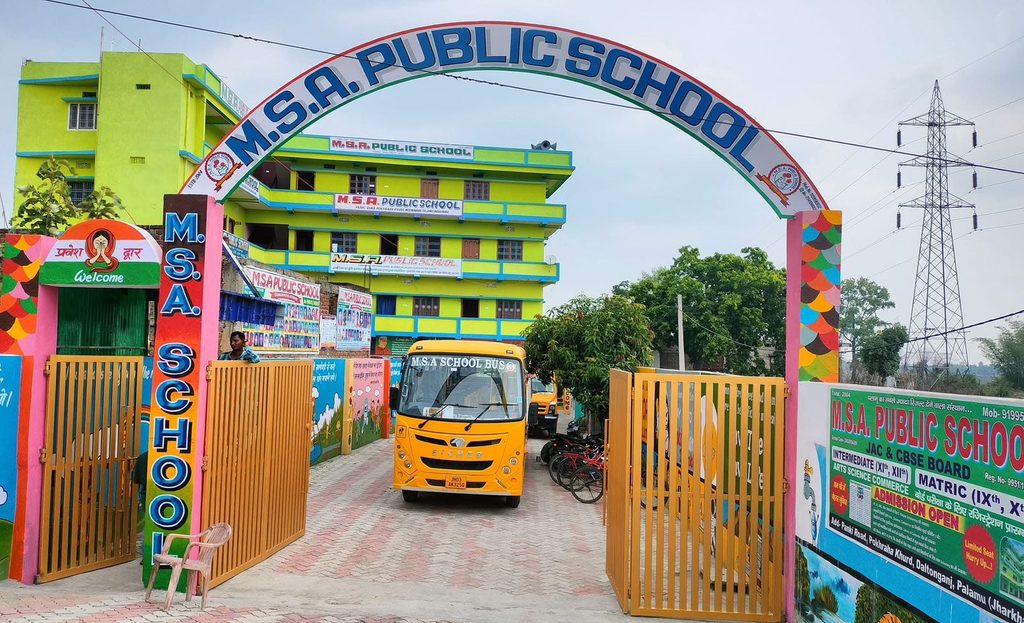
For him, education is far more than a profession, an academic pursuit or the management of an institution. It is a social responsibility rooted in the belief that knowledge should be accessible to all and that no child’s future should be determined by the circumstances of birth. Having earned recognition as a dedicated teacher who coached thousands of students, he has sought to extend his engagement with education beyond individual classrooms through an institutional vision centred on opportunity, guidance and inclusion.
Their influence reinforces Ansari’s belief that children should be encouraged to dream ambitiously, develop their abilities and recognise that their future need not be limited by their present circumstances. Education, in this view, must nurture both intellectual growth and a sense of responsibility towards others.
At the heart of this vision is a simple but profound principle: every child should have the opportunity to read, learn, ask questions, develop abilities and pursue ambitions, regardless of religion, belief, caste, community, economic circumstances or social boundaries. For Ansari, the right to education belongs to every child. It should not depend on identity, financial means or the social environment into which a child is born.
The ultimate success of an educator lies not only in the knowledge he imparts, but in the doors he helps open for others. At the heart of Mohammad Shafiq Ansari’s mission is a conviction that education should recognise no social boundary, exclude no child and leave no talent without an opportunity to grow. Every child deserves the chance to read, every learner deserves the opportunity to flourish, and no child’s future should be defined by poverty, belief or background.
He believes that education can become one of society’s strongest instruments for bringing people together. A classroom can provide a space where children from different backgrounds learn alongside one another, recognise their shared aspirations and develop mutual respect. By making learning accessible without discrimination, educational institutions can help replace prejudice with understanding, exclusion with opportunity and social divisions with a shared commitment to progress.
This inclusive outlook forms the moral foundation of Ansari’s educational mission. In his understanding, the purpose of a school is not simply to prepare students for examinations or help them secure qualifications. It is also to nurture confident, informed and compassionate individuals who can contribute meaningfully to society. Literacy opens the door to knowledge, while education helps young people develop the judgement, independence and confidence required to navigate life.
Palamau’s Educational Landscape: The Importance of Inclusive Learning
The significance of Ansari’s vision becomes clearer when viewed against Palamau’s educational background. According to Census 2011 data, the district’s literacy rate was 63.63 per cent, while female literacy stood at 52.09 per cent. These historical figures are not a measure of present-day literacy, but they provide a baseline for understanding the educational challenges that have shaped the region and the importance of sustained efforts to widen access to learning. As per the available statics for the district about 3,600 schools across blocks. Although the underlying inventory’s reference date is not specified, the listing indicates the scale of the district’s school network and the importance of ensuring that educational access translates into meaningful learning opportunities.
The educational progress of a region is ultimately measured not only by the number of institutions it has, but also by the opportunities those institutions create for children. Each student who learns to read confidently, progresses academically or gains the courage to pursue higher education represents an important step towards a more inclusive society, says Shafiq Ansari.
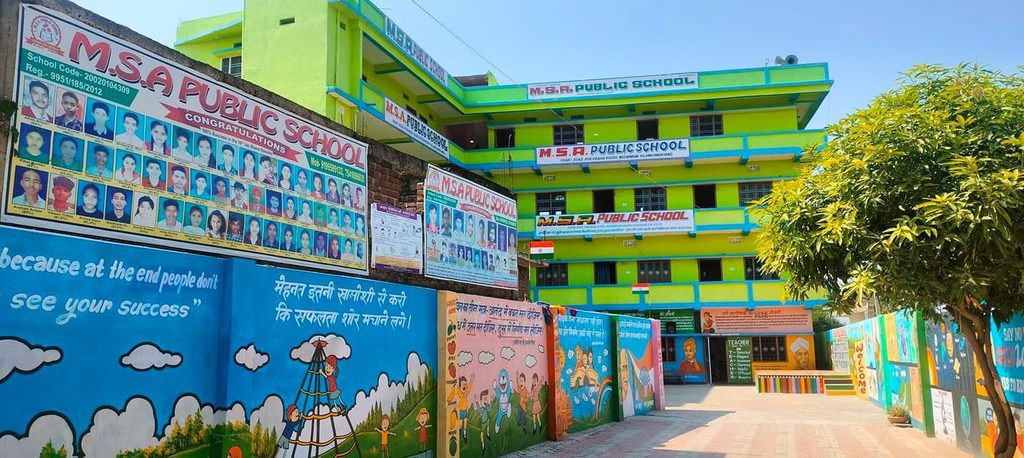
The larger challenge extends beyond the availability of schools. Children need committed teachers, a supportive learning environment, academic guidance and opportunities to continue their studies. Families facing economic difficulties may also require additional encouragement and support to help their children remain engaged with education and pursue higher ambitions. For him, these realities reinforce the responsibility of educators and educational institutions to reach children who might otherwise be left behind. A child’s potential should not be overlooked simply because the family lacks financial resources or access to educational support. Every learner deserves an opportunity to develop, and every school has a role to play in making that possibility real.
Inspired by Radhakrishnan and A.P.J. Abdul Kalam
Two of India’s most respected figures have had a lasting influence on Ansari’s educational outlook: Dr Sarvepalli Radhakrishnan and Dr A.P.J. Abdul Kalam. Their lives and philosophies have helped shape his understanding of the teacher’s responsibility and the transformative power of knowledge. Dr Radhakrishnan, the distinguished philosopher, educationist and former President of India, devoted much of his intellectual life to education, philosophy and the role of teachers in shaping individuals and society. His legacy reinforces the idea that teaching is not merely the transfer of information but an enduring responsibility to cultivate knowledge, character and independent thinking.
For an educator working towards greater educational inclusion, these ideals have particular relevance. A school should welcome children with different experiences and aspirations, help them learn together and prepare them to participate constructively in society. The classroom becomes not only a place of instruction but also a space where equality, respect and shared humanity can be practised.
Dr Kalam, the scientist and former President, became an inspiration to generations of young Indians through his emphasis on ambition, scientific thinking, perseverance and the power of education to advance national development. His journey demonstrated how knowledge, determination and opportunity can help individuals move beyond difficult circumstances and contribute to society. For Ansari, the ideals associated with these two personalities provide a guiding framework for understanding education beyond examinations and academic credentials. Radhakrishnan represents the enduring importance of teachers as guides and mentors, while Kalam symbolises the power of knowledge to expand the horizons of young people.
A Journey of Academic Perseverance
Ansari’s own educational journey reflects his commitment to learning and professional development. He has acquired several academic and professional qualifications, including a Master of Education (M.Ed.), the Central Teacher Eligibility Test (CTET), the Bihar Teacher Eligibility Test (BTET), the Jharkhand Teacher Eligibility Test (JTET), the National Eligibility Test (NET) and the Junior Research Fellowship (JRF). These qualifications reflect his engagement with teacher education, professional eligibility and the wider academic system. His pursuit of further qualifications also illustrates the importance he attaches to continuous learning, a principle he considers essential for anyone entrusted with guiding students.
Yet Ansari does not regard his achievements as the product of individual effort alone. He is particularly grateful to the teachers who guided him at different stages of his journey, acknowledging them as his margdarshak—the guides who inspired him, provided direction and encouraged him to move forward.
For Ansari, education does not end when a degree is earned or a professional milestone is achieved. The willingness to continue learning, expand one’s understanding and strengthen one’s professional competence is part of the responsibility of an educator. Teachers must remain learners themselves if they are to guide the next generation effectively. His academic journey also carries a message for students from modest backgrounds who may doubt whether higher educational goals are within their reach. Progress often requires persistence, careful preparation and a willingness to seek guidance. With determination and appropriate support, learners can continue developing their abilities and exploring opportunities beyond their immediate circumstances.
Teachers as Margdarshak: The People Behind the Achievement
His repeated acknowledgement of his teachers reveals an important dimension of his educational philosophy. In his view, a teacher’s influence extends far beyond the classroom. Teachers help learners recognise their strengths, overcome uncertainty, develop confidence and remain committed to their ambitions when the journey becomes difficult. Their contribution is not always reflected in certificates, qualifications or public recognition. Often, it is expressed through encouragement at a difficult moment, advice that changes a student’s direction or the confidence a teacher places in a learner who has yet to recognise their own potential.
This belief connects his personal journey with his institutional aspirations. Having benefited from guidance and encouragement, he seeks to create an educational environment in which students can receive the support they need to recognise and develop their abilities.
By referring to his teachers as margdarshak, he places gratitude and mentorship at the centre of his story. The educator who now seeks to guide students was himself shaped by the guidance of others. His journey reflects the continuity of teaching: knowledge and inspiration received from one generation can be passed to another, creating opportunities that extend far beyond a single classroom. For Ansari, recognising his teachers is also a reminder that educational success should be accompanied by humility. Academic achievement becomes more meaningful when individuals acknowledge the people who supported their progress and use their own experience to encourage others.
Academic Inspiration and the Role of Mentors
Among the individuals Ansari acknowledges as an academic inspiration is Rajendra Singh of Nilamber-Pitamber University (NPU). Ansari cites Singh’s achievement of completing his M.A., NET and JRF together as an example of academic determination and perseverance. This achievement demonstrates the importance of focused effort and the value of learning from the experiences of others. Academic role models can help students and aspiring researchers recognise the possibilities available to them, particularly when they are navigating higher education without extensive guidance or established academic networks, he added.
The journey towards advanced qualifications can be demanding. It requires discipline, preparation and the ability to remain focused on long-term goals. Encouragement from experienced individuals can help learners understand the path ahead, identify opportunities and maintain confidence during challenging periods. Ansari’s recognition of Singh reflects his belief that another person’s achievement should serve as a source of motivation. When educational accomplishments inspire others to pursue their own ambitions, individual success acquires a wider social value.
Alongside his academic inspirations, Ansari acknowledges the role of Inder Singh Namdhari, former Speaker of the Jharkhand Legislative Assembly; K. N. Tiwari, former minister; and Gyan Chand Pandey, a distinguished social worker. He expresses gratitude for the support and encouragement they provided during his journey.
Their place in his story reflects the importance he attaches to the wider network of people who help individuals progress. Teachers, academic mentors, public figures and social workers can each contribute in different ways by offering guidance, encouragement or opportunities at important moments. He is also acknowledging these contributions is an expression of gratitude and a recognition that personal development often takes place within a broader community. His experience reinforces the principle that achievement requires individual effort, but encouragement from others can help people recognise possibilities and move forward with greater confidence.
From Teacher to Founder and Chairman of MSA Public School
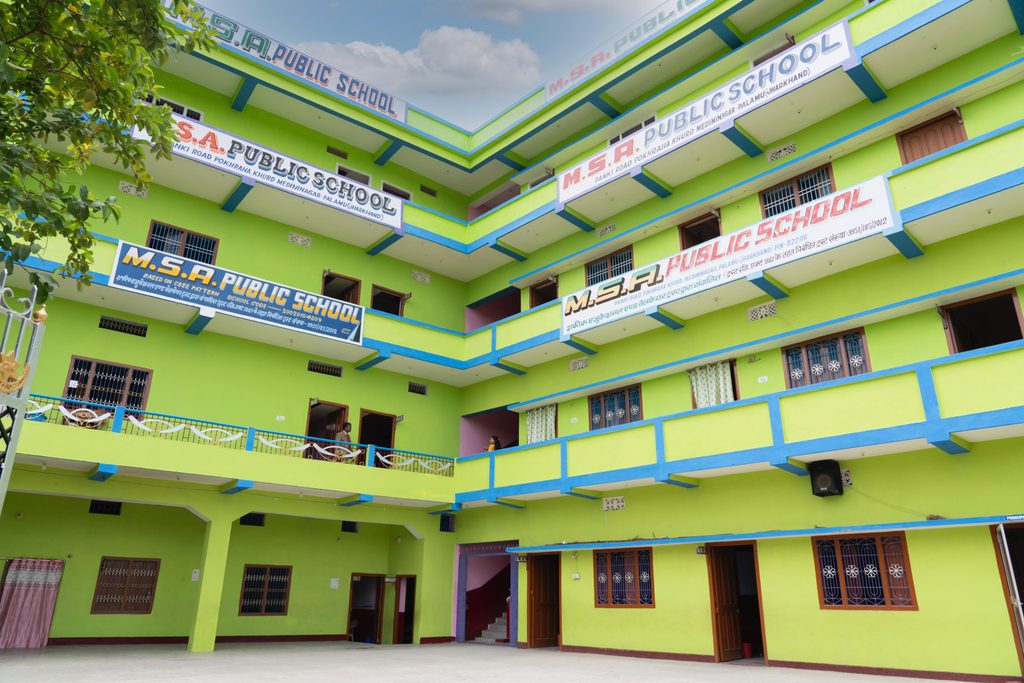
Ansari’s transition from teaching and coaching students to founding MSA Public School in Pokharaha, Palamau, represents a significant development in his educational journey. Having worked directly with learners, he has sought to extend his engagement with education beyond individual students and contribute to an institution serving a wider community. As founder and chairman, he carries the responsibility of advancing the school’s educational mission and helping create an environment in which students can learn and develop. His stated aspiration to serve children from poor and disadvantaged backgrounds places educational inclusion at the centre of that mission.
For families with limited financial resources, education often represents hope for a different future. It can help children acquire foundational skills, continue towards higher studies, explore professional opportunities and develop greater independence. But these possibilities depend on more than enrolment. Students need effective teaching, academic encouragement and an environment that helps them remain engaged with learning.
Ansari’s vision is that a child’s economic circumstances should not become a permanent obstacle to educational progress. He believes that talent can emerge from any community and that the responsibility of educators is to recognise and nurture it.
This vision extends across social and cultural boundaries. Every child should have the opportunity to learn without discrimination based on religion, belief, caste, community or family background. An inclusive school should enable children from different circumstances to learn alongside one another, understand their differences and discover the aspirations they share. Such an approach gives education a wider social purpose. Schools can help children acquire knowledge while also encouraging mutual respect, social understanding and the ability to participate constructively in a diverse society.
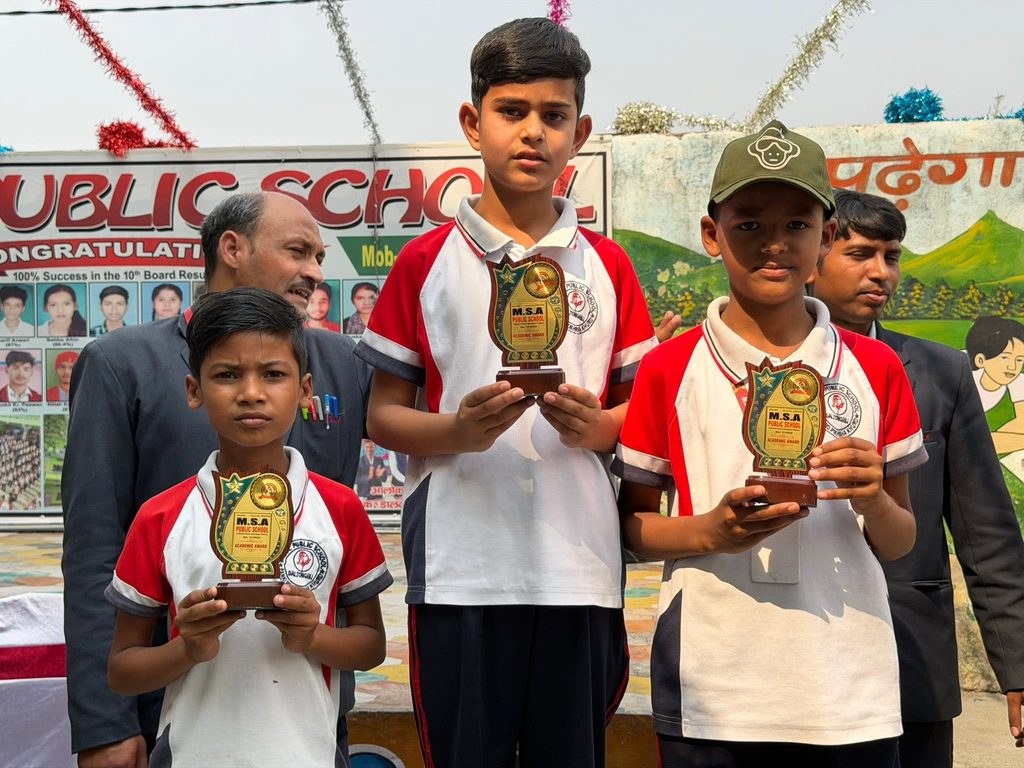
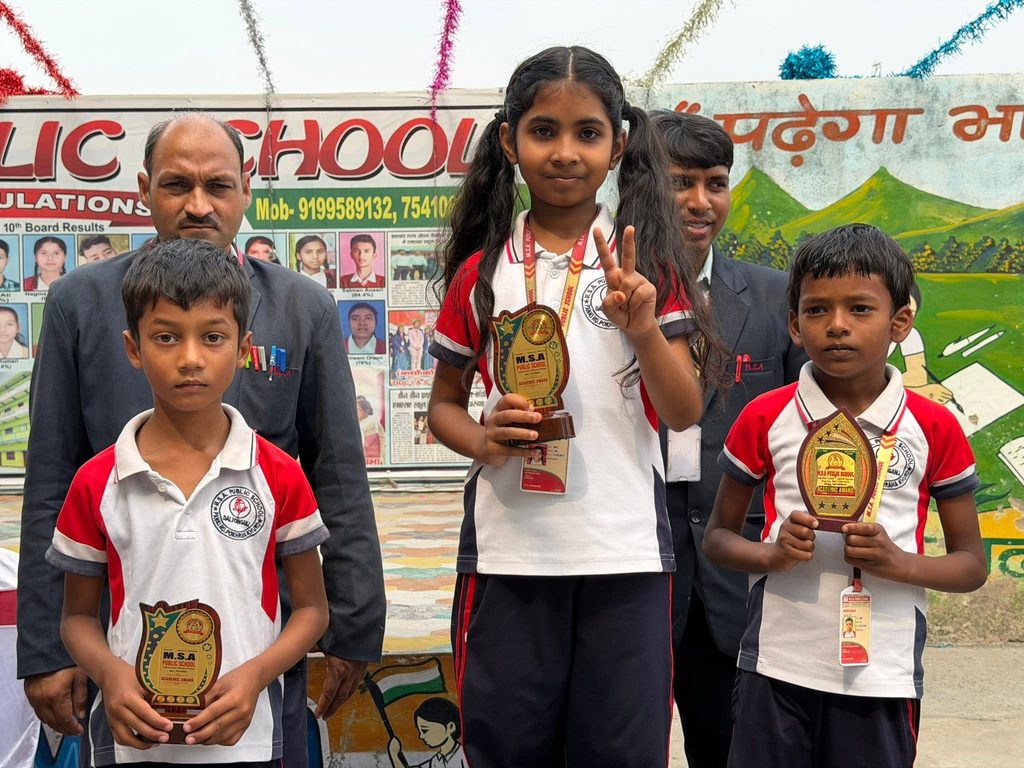
The long-term contribution of MSA Public School will ultimately depend on how effectively its educational aspirations are translated into outcomes for students. Teaching quality, academic progress, affordability, access for disadvantaged families and opportunities for further education remain important measures of an institution’s contribution. The larger objective is to ensure that education becomes a meaningful opportunity for children who need it most, helping them build the knowledge and confidence to pursue their ambitions, he said.
Learning Beyond Textbooks: Literature, Culture and Civic Values
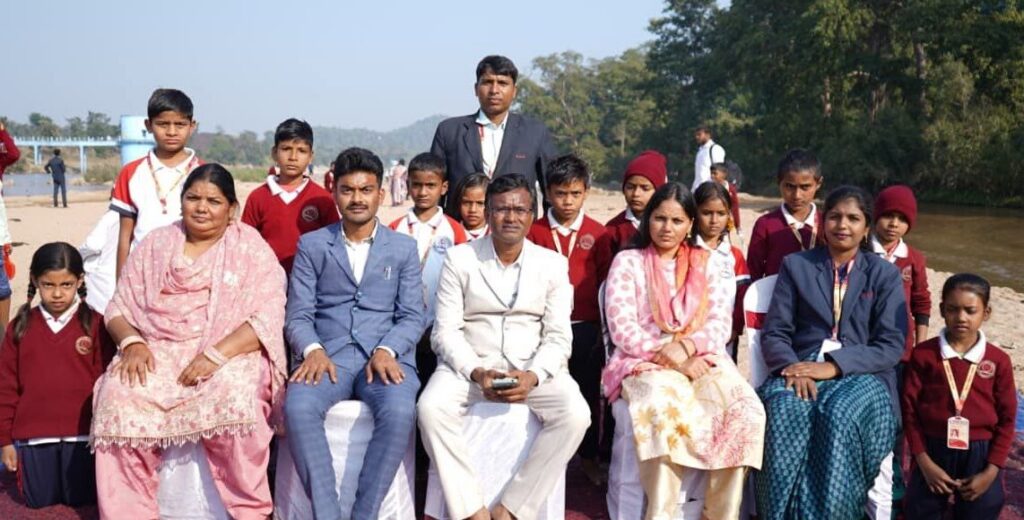
MSA Public School has also hosted programmes that connect classroom education with literature, culture and civic values. These activities reflect the wider role schools can play in encouraging students to express themselves, engage with their cultural environment and develop a sense of social responsibility.
In September 2025, the institution hosted a poetry gathering and mushaira organised by Sahitya Sangam. The event brought literary expression into the school environment, providing a setting for engagement with poetry, language and cultural traditions. In October 2026, the school observed Gandhi Jayanti and Lal Bahadur Shastri Jayanti through a procession, a peace and awareness rally, student performances and speeches highlighting truth, non-violence, simplicity and public service.
This broader understanding of education is consistent with the ideals he draws from Radhakrishnan and Kalam. Both the teacher’s role in shaping minds and the transformative power of knowledge point towards an educational mission that seeks to develop the whole person.
Such activities can complement academic instruction by giving students opportunities to participate in collective events, develop communication skills and reflect on the values associated with responsible citizenship. They also illustrate how schools can bring literature, history and civic awareness into students’ educational experiences. For Ansari, education must help young people prepare for life as well as examinations. Academic learning is fundamental, but character, confidence, compassion and respect for others are equally important to the development of responsible individuals.
Education Without Discrimination: A Vision Beyond Boundaries
Perhaps the most defining feature of Ansari’s educational outlook is his belief that learning should unite rather than divide society. In a world where differences of religion, belief, caste, community and economic status can become barriers to opportunity, he sees education as a means of helping people recognise their shared humanity.
His aspiration is that every child should be able to read and learn, regardless of the circumstances into which they are born. No child should be overlooked because their family is poor, their community is marginalised or their background differs from that of others. For Ansari, an inclusive educational environment does not require children to abandon their individual identities. Instead, it allows them to learn together while respecting differences and recognising their equal dignity. A classroom can teach more than a prescribed curriculum: it can demonstrate the importance of fairness, cooperation, understanding and mutual respect.
This vision is particularly important for children whose opportunities may be restricted by circumstances beyond their control. When access to education becomes more inclusive, young people gain greater opportunities to develop their abilities, pursue further learning and participate in society with confidence.
Education can also strengthen communities by enabling individuals to make informed decisions, understand different perspectives and contribute to collective progress. In this sense, the benefits of learning extend beyond the individual student to families and the wider social environment. For Ansari, the success of education should therefore be measured not only through examination results or academic qualifications, but also through the opportunities it creates for children who might otherwise be left behind. The ultimate purpose is to ensure that learning becomes accessible, meaningful and empowering for every child.
A Larger Mission for Palamau’s Future
Palamau’s educational future will depend on sustained efforts by schools, teachers, families, communities and public institutions. Historical literacy figures provide context for the importance of continued attention to educational inclusion, while the district’s school network offers a foundation on which learning opportunities can be strengthened. The task ahead is to ensure that every child receives meaningful educational support, develops essential skills and has the opportunity to continue learning. Access, quality and inclusion must work together if education is to fulfil its promise of social mobility.
His story also underscores the difference between seeing education solely as a personal achievement and treating it as a social responsibility. Qualifications can advance an individual’s professional journey, but the wider significance of education emerges when knowledge is used to guide others, create opportunities and contribute to the development of a community. The true test of this mission will be reflected in students’ progress, the quality of learning they receive and the opportunities they can pursue in the future. Every child who gains confidence, strengthens their understanding or advances towards a long-held ambition represents the promise that education holds for individuals and society.
Within this broader landscape, Ansari’s journey offers a human perspective on the role of the educator. His academic qualifications demonstrate a commitment to continuous learning; his gratitude towards his margdarshak highlights the influence of teachers; his acknowledgement of academic and social mentors reflects the importance of encouragement; and his leadership at MSA Public School expresses his aspiration to widen educational opportunities.
For Ansari, that promise must remain open to all. The opportunity to learn should not be limited by poverty, identity or social boundaries. It should be extended to every child with the understanding that talent exists everywhere and that the responsibility of education is to help it flourish. Ultimately, Mohammad Shafiq Ansari’s journey is about more than academic qualifications or institutional leadership. It is about the enduring influence of teachers, the power of mentorship and the possibility of turning a personal commitment to education into a wider mission for social progress.
Inspired by Dr Sarvepalli Radhakrishnan and Dr A.P.J. Abdul Kalam, guided by his teachers and mentors, and serving as founder and chairman of MSA Public School, Ansari advances a vision in which education is a shared human opportunity rather than a privilege reserved for a few. For the children of Palamau, that vision carries a message of hope: their circumstances may shape the challenges they face, but they should never determine the limits of their dreams.