In a democracy, the success of governance is often measured through policies announced, budgets allocated and infrastructure projects completed. But for millions living in rural India, the credibility of the administration rests on much simpler, deeply personal questions: Does a widow receive her ration on time? Can an elderly patient access medical care? Will a broken hand pump be repaired? And, above all, is there anyone in authority willing to listen?
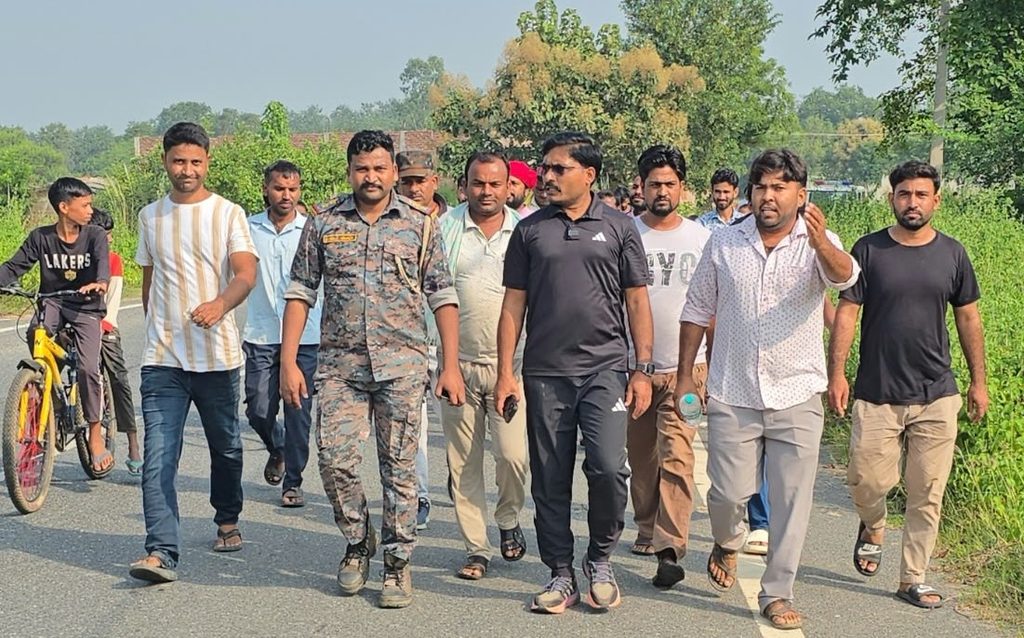
These questions found an unusual setting for answers in Bardiha block of Garhwa district, where a cleanliness campaign organised on Gandhi Jayanti and Swachhata Diwas evolved into a wider exercise in public engagement. What began as a march along the Bardiha-Garhwa State Highway became an opportunity to identify local problems, hear citizens directly and initiate action on grievances that shape everyday life.
Block Development Officer-cum-Circle Officer Praveen Kumar Singh and Police Station In-Charge Rahul Kumar Singh led the initiative alongside local representatives, officials and residents. Their decision to take the campaign onto public roads and into neighbourhoods offered a practical illustration of an idea frequently discussed in administrative circles but not always experienced by citizens: governance must be visible where people live, work and confront their difficulties.
The significance of the exercise lay not merely in cleaning public spaces or addressing encroachments. It lay in the decision to use a public campaign as a platform for listening, inspection and administrative intervention.
Beyond the Broom: When Citizens Found an Audience
As the officials moved through the locality, residents began bringing forward problems that had little to do with cleanliness but everything to do with the quality of public services.
A beneficiary raised a complaint about the non-receipt of ration supplies. The matter was taken up with the concerned supply authorities. An elderly man suffering from a prolonged medical condition sought assistance and was connected with health officials for necessary attention. A dysfunctional hand pump was identified and the repair requirement forwarded to the relevant authorities. The team also noticed sanitation deficiencies at an Anganwadi centre and issued instructions for corrective action.
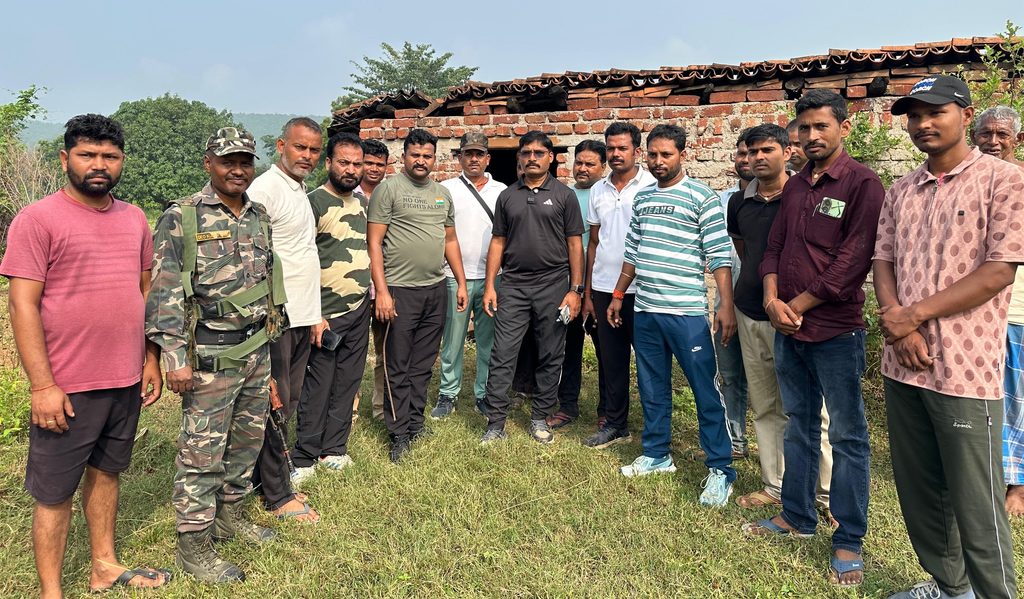
Each of these interventions addressed a different dimension of rural welfare—food security, healthcare, drinking water and sanitation. Together, they illustrated how routine administrative engagement can reveal gaps that may otherwise remain buried in files, departmental correspondence or unresolved complaints.
For a household struggling to secure its entitled ration, the issue is not simply a pending application. It is a question of food security. For an elderly person seeking medical assistance, an administrative response can determine whether help becomes accessible or remains distant. A broken hand pump, similarly, is not a minor maintenance issue for families dependent on it for daily water needs.
This is where the human significance of local administration becomes most apparent. The value of an intervention is often best understood not by the time it takes to record a complaint, but by whether it moves the citizen closer to a solution.
Taking Administration to the Margins
The campaign extended beyond the immediate surroundings of the highway. Officials inspected government land reportedly affected by encroachment, reviewed road connectivity concerns in remote habitations and interacted with families affected by recent rainfall.
One of the areas visited was Babhni Muslim Tola, where around 20 households have reportedly faced inadequate access routes. The team conducted a site inspection and explored possible solutions to the connectivity problem.
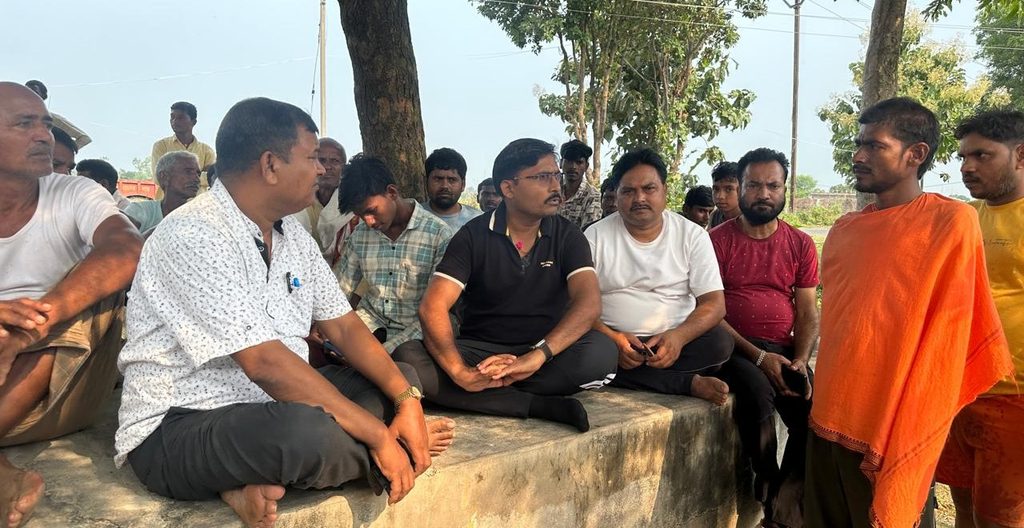
For settlements at the margins of the road network, poor access can become a barrier to far more than transportation. It can complicate children’s access to schools, delay medical assistance, restrict access to markets and increase the everyday costs of economic activity.
A field inspection does not, by itself, guarantee that a road will be built or a long-standing problem resolved. However, it can establish the actual nature of a problem, identify the department responsible and provide a basis for follow-up. The real test will be whether the concerns recorded during the visit translate into measurable improvements for the affected households.
That distinction matters. Responsive administration begins with listening, but it must ultimately be judged by implementation.
Civil Administration and Police in Partnership
Another notable aspect of the initiative was the participation of the police alongside development and revenue officials. The joint presence of BDO-cum-CO Praveen Kumar Singh and Police Station In-Charge Rahul Kumar Singh demonstrated the potential for coordinated action at the local level.
Rural challenges rarely fit neatly within the boundaries of a single department. Encroachment may involve revenue authorities and law enforcement; public cleanliness requires local bodies and community participation; access to welfare benefits depends on departmental delivery and grievance redressal. When officials work in isolation, citizens can find themselves moving repeatedly between offices without receiving a definitive response.
Coordination, by contrast, can help establish responsibility and reduce avoidable delays. The Bardiha initiative offered a visible example of how different arms of the administration can engage with the same community and examine its concerns collectively.
Yet such coordination must extend beyond a single day. Effective public service requires clear accountability, communication between departments and regular monitoring of unresolved issues. A field visit becomes meaningful when the action it initiates continues after the officials have left.
Gandhi Jayanti and the Meaning of Public Service
The choice of Gandhi Jayanti for the campaign added a broader civic dimension to the exercise. Cleanliness was the immediate objective, but the spirit of public service associated with Mahatma Gandhi also invites reflection on dignity, community participation and the responsibility of institutions towards ordinary citizens.
Sanitation campaigns are most effective when they move beyond ceremonial cleaning to encourage lasting behavioural change, reliable waste management and community ownership of public spaces. Similarly, citizen engagement achieves its purpose when it becomes a regular feature of administration rather than an occasional event.
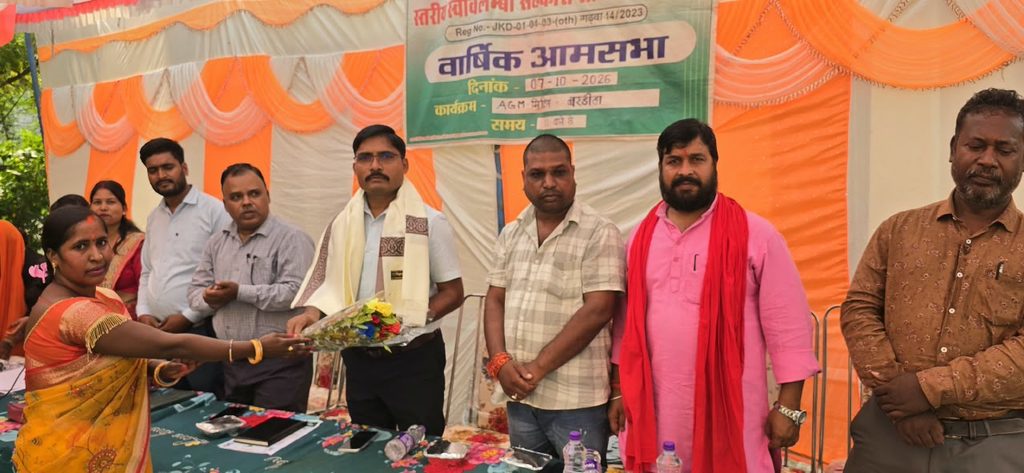
The Bardiha campaign brought these two objectives together. It connected the visible task of improving public spaces with the less visible but equally important responsibility of identifying gaps in essential services.
Its wider lesson is that development is not defined exclusively by major projects or substantial financial allocations. It is also built through functioning public utilities, accessible healthcare, dependable welfare delivery, safe roads and institutions that respond when citizens seek assistance.
The Measure of Leadership Is Follow-Through
Across rural India, administrative officers work within established rules, limited resources and competing demands. Their ability to make a difference often depends on how effectively they identify priorities, coordinate departments and ensure that decisions lead to outcomes.
The Bardiha initiative demonstrated the value of direct engagement. Its lasting significance, however, will depend on what follows: whether the ration grievance is resolved, the hand pump repaired, sanitation improved and the connectivity concerns of many wards were addressed. These are tangible benchmarks against which residents can assess the campaign’s impact.
For the next generation of civil servants, police personnel and public representatives, the episode reinforces an enduring principle: administrative authority derives its public value from the responsibilities it fulfils and the lives it improves. Accessibility builds confidence, responsiveness creates trust, and sustained implementation gives both lasting meaning.
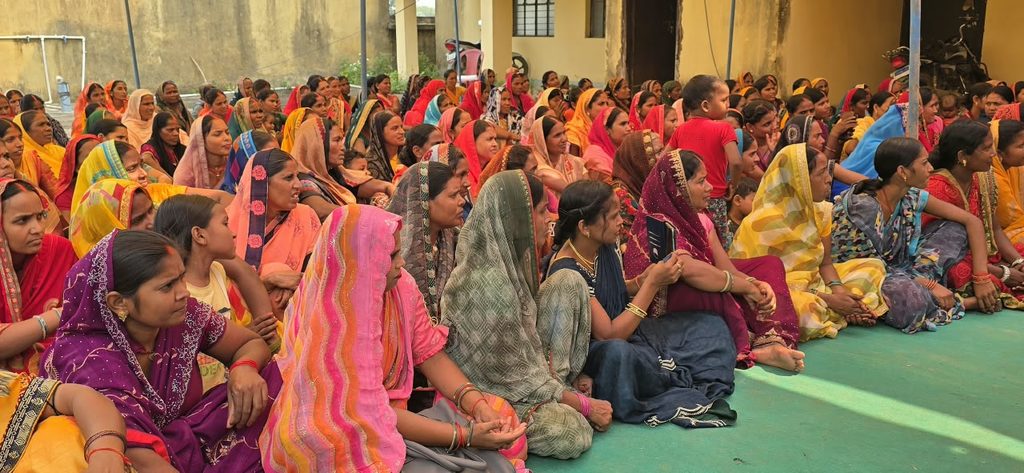
For the residents, Gandhi Jayanti offered an opportunity to engage directly with officials and bring everyday concerns to their attention. The broader challenge now is to ensure that this engagement becomes a continuing process rather than a one-day experience.
Ultimately, governance earns credibility not merely when officials step out of their offices, but when the concerns they encounter receive timely and verifiable solutions. The Bardiha campaign provides a useful reminder that meaningful change often begins with a simple act—walking into a community, listening to its people and accepting responsibility for what comes next.